By Rose O. Sherman, EdD, RN, NEA-BC, FAAN
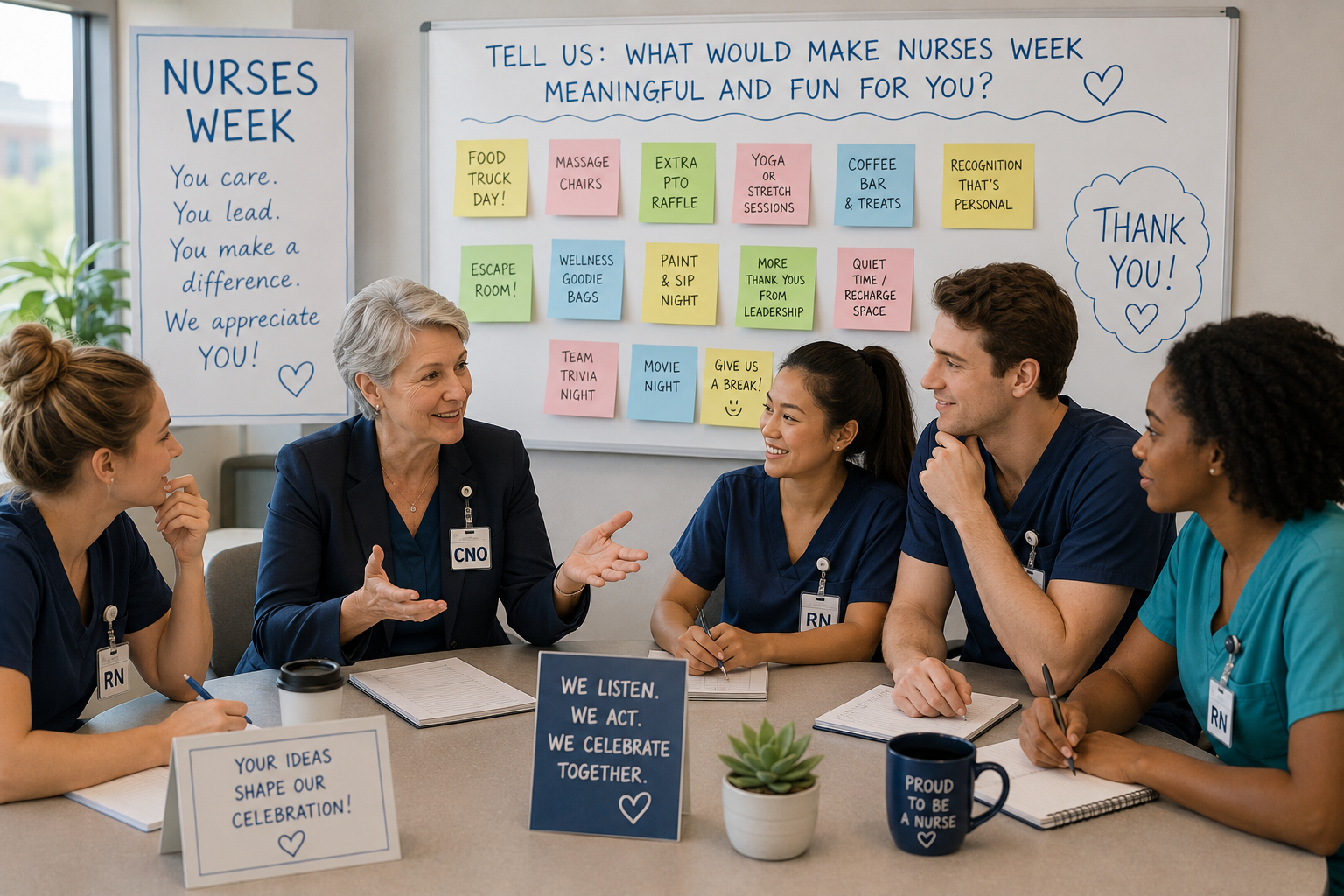
As I have spoken with nurse leaders at events during Nurses’ Week, I realize how much more complicated it is to plan meaningful recognition programs today. While leaders strongly desire to reward and recognize staff, they are sometimes very disappointed by nurses’ low participation in these events and, in some cases, their criticism of efforts on TikTok, Instagram, and other social media forums. Part of the challenge is that we have a very diverse nursing workforce. In acute care environments, units are now increasingly dominated by younger nurses with different ideas about recognition.
Developing a recognition strategy that resonates across different career stages is essential, especially during a high-visibility event like Nurses Week. Since generational values influence how individuals perceive “meaningful” rewards, a nuanced approach is more effective than a one-size-fits-all celebration. While traditional “swag” or a shared meal still has a place, research increasingly shows that modern nursing teams—particularly those with a heavy concentration of newer clinicians—crave recognition that validates their specific contributions and professional growth.
Seasoned Baby Boomer nurses value peer respect and legacy recognition. For them, a formal note of thanks from a senior executive or an opportunity to be recognized as a mentor carries significant weight. Public acknowledgment of their clinical expertise is often highly valued. Millennial nurses are focused on professional development and work-life integration. Meaningful recognition for this group might look like a “professional development grant” to attend a conference or a schedule-related reward that grants them time back with their families. Gen Z Nurses value immediate feedback and personalized impact. They appreciate “in-the-moment” recognition and social validation. They often respond well to specific, private praise from their direct supervisor or recognition from their peers.
One CNO told me that she had met with her Generation Z advisory group (what a fantastic idea this is) to get their feedback before events were planned, and here is what they told her:
- They wanted to see more peer recognition programs for nurses. They told her that, given the short lengths of stay and the lack of assignment continuity on most units, patients and families are not always the best judges of great nurses. Too many very good nurses never even get nominated, yet every day they precept others and are quietly reliable.
- They did not want hospital swag as gifts.
- They don’t want to sit in an auditorium and listen to an inspirational speaker talk about how great nursing is. No speeches and no PowerPoint.
- They don’t want to hear about Florence Nightingale.
- They would love a fun event with games, meaningful prizes, opportunities to take funny pictures with their friends, and food trucks – not pizza or hospital catering.
- They pointed out that many of the nursing staff have talents – why not a talent show to showcase nurse artists, photographers, actors, musicians, and poets?
- They don’t want us to forget about the night shift.
The most meaningful Nurses Week strategies are less about gifts and more about helping nurses feel seen, supported, respected, and professionally valued. In addition to the strategies suggested above, I recommend that leaders use this time to highlight actions they have taken to address staff needs. Create a “You Spoke – We Acted” campaign and use posters, screensavers, or short videos to illustrate actions taken:
- “You asked for quieter report rooms → completed.”
- “You wanted better night-shift food access → implemented.”
- “You requested more lift equipment → approved.”
Today’s nurses want to be acknowledged for the work they do. Don’t minimize their challenges. Messaging like “We recognize that many of you are caring for increasingly complex patients while also supporting newer teammates and adapting to constant change. Your work matters deeply” resonates better than ” We are fortunate to be able to do the work we do every day – it is our passion.”
As you wrap up Nurses Week this year, consider what resonated with your staff and what did not. Don’t be on autopilot with Nurse Week planning, and don’t delegate to the same group to organize each year. Our nursing workforce has changed, and so have the ways that they want to be recognized.
To effectively lead through these challenges and others, nurse leaders need new tools and strategies. Let me help you as I have helped hundreds of organizations over the past five years. Please contact me at roseosherman@outlook.com to book a workshop or keynote for your team. Not seeing what you want on this list? Feel free to reach out, and I am happy to design a custom program to meet your needs.
Brand New For 2026 and Already Receiving Rave Reviews – Staying Power Building a Culture of Retention in the New World of Work
Brand New for 2026 and Already Popular – The Inverted Pyramid: Leading Teams of Novice Nurses The Inverted Pyramid WS Information Sheet
Our Most Popular Right Now –The New World of Work Workshop
A Leader Favorite – Building Bridges Not Walls: Leading Multigenerational Work Teams – Click Here for More Information Building Bridges Not Walls
A Must-Read Book in 2026 – Click Here to Buy



 LinkedIn
 Instagram