By Rose O. Sherman, EdD, RN, NEA-BC, FAAN
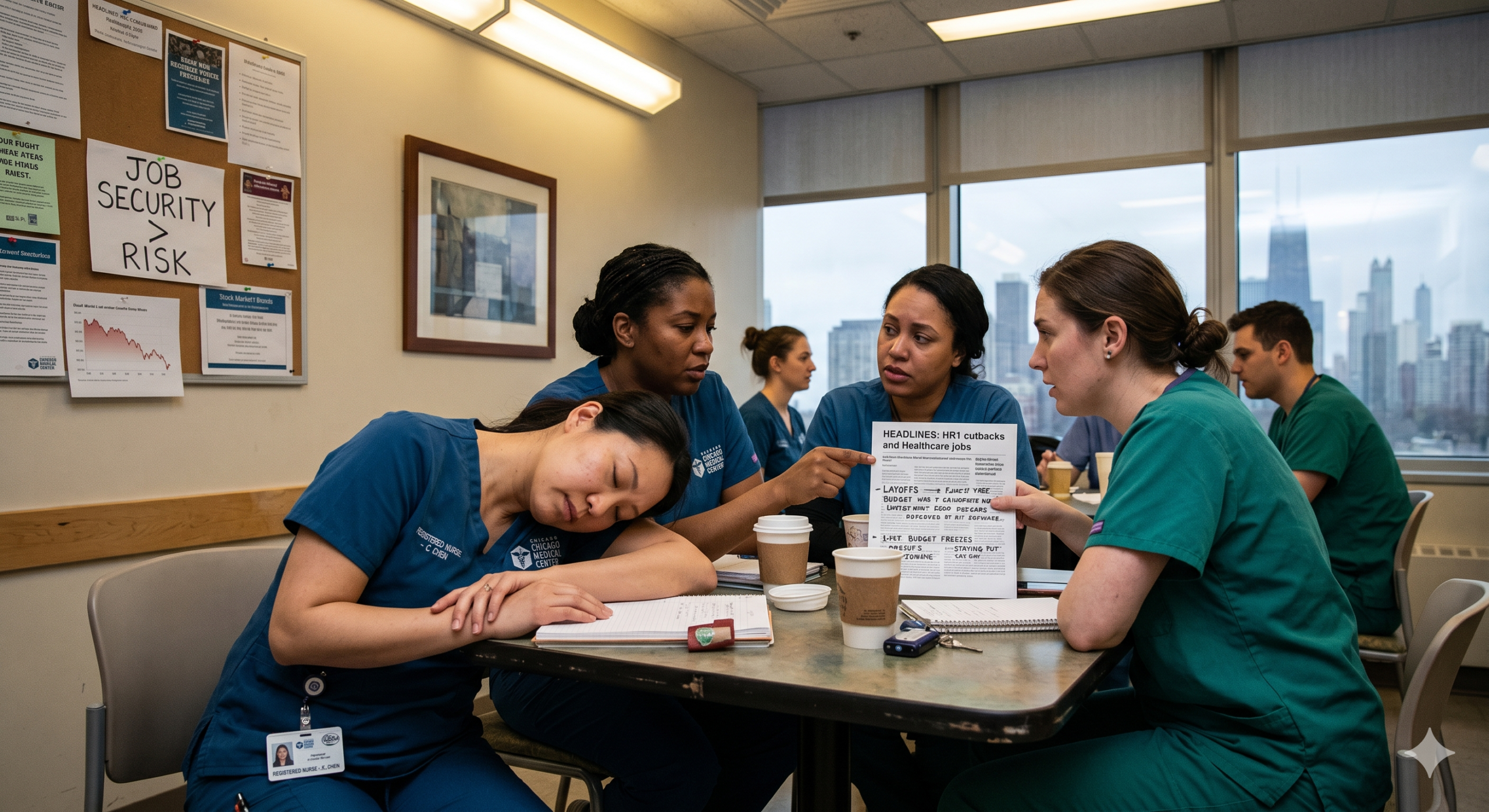
For years, the dominant narrative in nursing workforce data was mobility. Leaders were chasing high turnover and competing with lucrative travel contracts. But a quiet shift is happening on some clinical units: nurses are staying put. Job Hugging is the practice of holding onto a current position, not necessarily out of deep engagement, but out of a desire for security during times of macroeconomic uncertainty.
As an outcome of the job-hugging now seen in acute care, new graduate hiring is down this spring, and residency programs are smaller. Just a few weeks ago, the Wall Street Journal published an article about nursing being the new path to prosperity in today’s economy. But many new graduates are finding a different job market as they seek their first positions.
Today’s employment landscape in healthcare has become much more competitive. In a profession that has spent the last several years defined by hyper-mobility, sign-on bonuses, and travel nursing, the sudden pivot to hunkering down is catching many healthcare leaders off guard.
Given what is happening in the healthcare environment right now, we should not be so surprised. When macroeconomics and policy shifts like HR1 trigger anxiety about healthcare cutbacks, nurses stop looking for the next best thing and start clinging to the security of their current role. Many RNs who might have planned to retire are now postponing their plans to see what happens with the economy. Some have priced out the escalating cost of insurance on healthcare exchanges and now plan to work until they are Medicare eligible.
The impact of CMS reimbursement cuts with HR1 is looming. Health systems are crunching the numbers and publicly expressing concerns about financial stability going forward. The policy shifts and federal funding debates have created downstream anxiety. When corporate healthcare signals potential restructuring, hiring freezes, or budget tightening, frontline staff begin to worry.
While clinical nursing positions are rarely cut, nurses see support staff, leadership roles, and project budgets getting slashed. This makes the external market look volatile and risky. If a health system faces cutbacks, the newest hires are often the most vulnerable. Those with decades of nursing experience remember back to the mid-1980s when the DRGs were first introduced and budget shortfalls grew. Nurse hiring came to a standstill. Many new graduates could not find positions in acute care.
The challenge here is that all of this presents an illusion of stability. On paper, low turnover looks like a victory for HR and executive leadership. Retention metrics improve, and recruitment costs drop. Job hugging can lead to a phenomenon known as shelter-in-place employment. If nurses are staying purely out of fear rather than engagement, you risk building a culture of resentment, burnout, and quiet quitting. Lower turnover does not automatically equal a healthier workplace culture.
We have recent data from Nurse.org that confirms that many nurses are staying put because of financial concerns. Some concrete signs that you may be seeing this on your unit include the following:
-
A sudden drop in internal transfer requests or career advancement inquiries.
-
Nurses who were highly vocal about dissatisfaction suddenly becoming quiet (complying out of fear rather than agreement).
-
An increase in presenteeism — being physically present but emotionally detached from committee work, unit councils, or mentorship.
The challenge for leaders is when staff are afraid of cutbacks, they stop reporting errors or speaking up about safety concerns because they don’t want to be viewed as “troublemakers.” Leaders must double down on creating a safe environment. If you are a leader in an environment where job hugging is occurring, use this period of low turnover to invest in the team you have. Focus on professional development, cross-training, and building clinical competency, which reassures nurses that they are valued long-term assets.
Understand that if you are seeing this – it is a temporary phenomena. Nothing has changed in the long-term job picture for nurses. Job hugging is a temporary economic coping mechanism, not a permanent culture fix. The economy will eventually shift, and when it does, the leaders who took advantage of “the stay” to build genuine trust will keep their teams. The ones who used it as an excuse to neglect staff engagement will face a delayed wave of mass departures.
© emergingrnleader.com 2026
To effectively lead through these challenges and others, nurse leaders need new tools and strategies. Let me help you as I have helped hundreds of organizations over the past five years. Please contact me at roseosherman@outlook.com to book a workshop or keynote for your team. Not seeing what you want on this list? Feel free to reach out, and I am happy to design a custom program to meet your needs.
Brand New For 2026 and Already Receiving Rave Reviews – Staying Power Building a Culture of Retention in the New World of Work
Brand New for 2026 and Already Popular – The Inverted Pyramid: Leading Teams of Novice Nurses The Inverted Pyramid WS Information Sheet
Our Most Popular Right Now –The New World of Work Workshop
A Leader Favorite – Building Bridges Not Walls: Leading Multigenerational Work Teams – Click Here for More Information Building Bridges Not Walls
A Must-Read Book in 2026 – Click Here to Buy



 LinkedIn
 Instagram