By Rose O. Sherman, EdD, RN, NEA-BC, FAAN
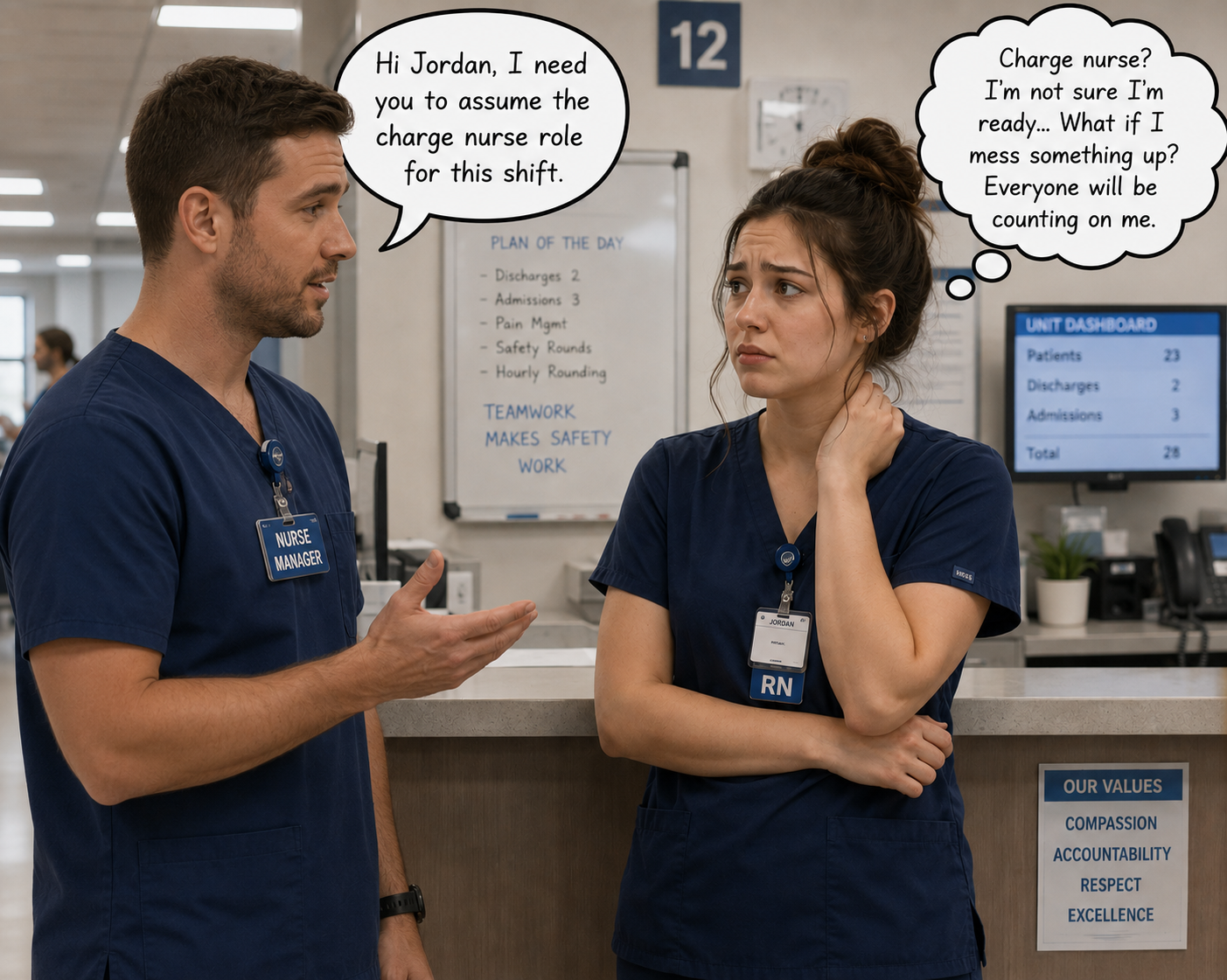
Ask any nurse manager about the current state of their units, and they will likely describe a stark reality: an “inverted pyramid” of experience. Highly experienced clinicians are retiring or moving away from the bedside, leaving nursing units staffed predominantly by early-career professionals. As a result, Generation Z nurses (born roughly 1997–2012) are being asked to step into the Charge Nurse role much earlier in their careers than previous generations.
For many Gen Z nurses, the initial reaction to this request is a firm, “No, thank you.” It isn’t that they lack ambition; rather, they view the role through a lens of high anxiety, a desire for strict mental health boundaries, and a fear of being set up to fail. Nurse managers tell me they have a hard time coaching past this initial “no” answer.
Gen Z is a highly risk-averse generation that witnessed the extreme burnout of healthcare workers during the pandemic. When they look at the Charge Nurse role, they don’t see a promotion—they see a liability. They worry about losing their licenses, absorbing toxic complaints, and working past their shifts without support.
Our strategies to help them reconsider need to be different than those we have used in the past. Here are some strategies to consider as you work to coach Generation Z nurses into charge nurse roles:
- Decrease their anxiety – Stop framing the charge role as a monumental career leap. Instead, position it as a skill-building opportunity that enhances their critical thinking, improves their communication skills, and promotes their professional brand.
- Define the guardrails: Be explicit about what they are—and are not—responsible for. Assure them that stepping into the charge role does not mean they are entirely on their own; identify their designated “safety net” for the shift. Be available for coaching.
- Micro-step the transition: The traditional – shadow for a shift and then be one does not work with Generation Z. Break the charge nurse competencies into bite-sized pieces. Allow them to manage the assignment board for a few weeks while someone else handles the shift flow. Or, have them shadow a crisis response before taking the lead.
- Use the “Coach on the Side” model: Have them take charge for the first time on a shift where you are on the unit. Be available to guide them. Use open-ended questions such as -“What is your biggest worry about the upcoming shift? Let’s map out how you’ll handle that scenario if it happens.” – during your check-ins to help them build confidence in their clinical judgment.
- Address the Elephant in the Room – How will I manage my peers: One of the greatest hurdles for any young nurse—but especially for Gen Z, who deeply value peer acceptance and community—is suddenly leading their friends. They dread the conflict that comes with making assignments or holding peers accountable.
- Provide them with scripts: Do not assume they know how to navigate difficult conversations. Give them concrete, objective language to use when pushback happens. Teach them to anchor their decisions in patient safety and equity. It is much easier for a young leader to stand their ground when they can say, “I made this assignment based on acuity to ensure our patients are safe,” rather than “Because I’m charge today.”
- Protect their time: Gen Z is fiercely protective of their mental health and work-life balance. If they feel that stepping into leadership means sacrificing their well-being, they will quickly retreat. Ensure they are able to hand over the keys and leave on time. If a shift went sideways, debrief immediately or during their next scheduled working hours—do not text them about unit issues on their days off.
- Provide meaningful validation: Gen Z values feedback, but it needs to be specific. Avoid generic praise like “Great job today.” Instead, say, “I noticed how calmly you handled that rapid response while keeping the rest of the admissions moving. That showed incredible leadership.”
Coaching Generation Z into charge nurse roles requires us to meet them where they are. By dismantling the “sink or swim” mentality and replacing it with psychological safety, structured mentorship, and clear boundaries, we do more than just fill a schedule hole for the next shift. We build the resilient foundation that the future of nursing desperately needs.
© emergingrnleader.com 2026
To effectively lead through these challenges and others, nurse leaders need new tools and strategies. Let me help you as I have helped hundreds of organizations over the past five years. Please contact me at roseosherman@outlook.com to book a workshop or keynote for your team. Not seeing what you want on this list? Feel free to reach out, and I am happy to design a custom program to meet your needs.
Brand New For 2026 and Already Receiving Rave Reviews – Staying Power Building a Culture of Retention in the New World of Work
Brand New for 2026 and Already Popular – The Inverted Pyramid: Leading Teams of Novice Nurses The Inverted Pyramid WS Information Sheet
Our Most Popular Right Now –The New World of Work Workshop
A Leader Favorite – Building Bridges Not Walls: Leading Multigenerational Work Teams – Click Here for More Information Building Bridges Not Walls
A Must-Read Book in 2026 – Click Here to Buy



 LinkedIn
 Instagram