By Rose O. Sherman, EdD, RN, NEA-BC, FAAN
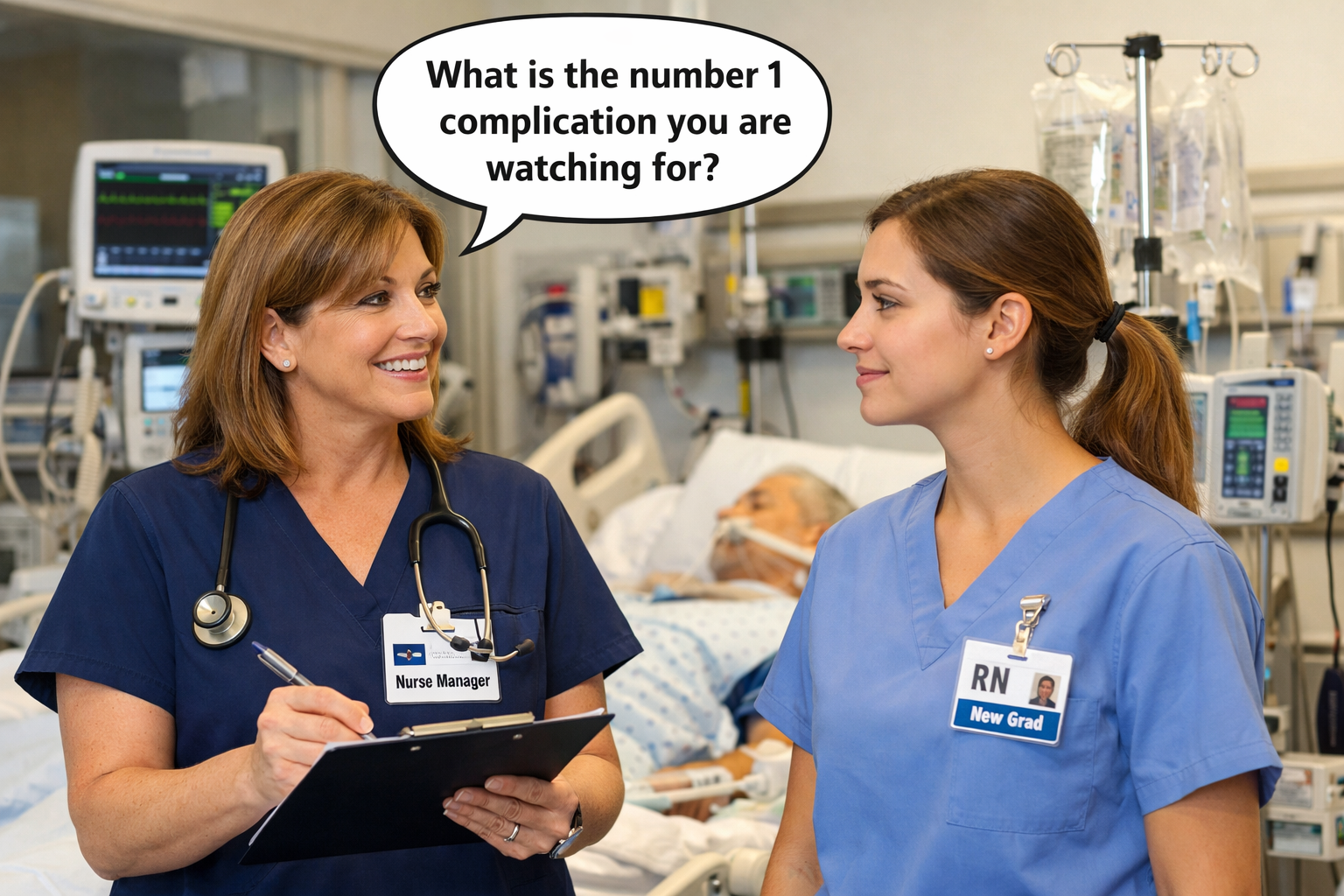
In our current healthcare landscape, we are seeing a massive shift in the experience levels of our frontline staff. In recent blogs, I have been discussing the “Inverted Pyramid”—where our most experienced nurses are moving into leadership or retirement, leaving a foundation of novice nurses who are technically capable but still developing their clinical assessment skills. As leaders, we have to change how we support these teams. We can’t just ask, “Did you get your tasks done?” We have to help them connect the dots they cannot yet see. To be successful in doing this, we need to change our focus in rounding when units with an Inverted Pyramid to include cognitive rounding.
Research suggests that nearly 80% of novice errors are cognitive, not technical. A new nurse might know how to hang a bag of fluids, but they might not yet recognize the subtle pattern that suggests the patient is heading into fluid overload. They may know how to complete the fall risk assessment checklist, but may miss small safety hazards in the room or signs that a patient is disoriented and at risk. Cognitive rounding moves us away from a “checklist mentality” and toward Thinking-Checking. By asking five specific questions, leaders can help build staff clinical judgment in real-time.
To audit the clinical assessment skills of your team, try these five targeted questions during your next set of rounds:
-
The Headline: “What is the headline for this patient right now?”
When you ask this question, you are not looking for a list of vital signs. You want to see whether the nurse can compile the data, synthesize it, and summarize the key aspects of the patient’s clinical status. -
The Trend: “What has changed the most in the last 4 hours?”
This question helps the novice develop pattern Recognition. A strong answer identifies the patient’s trajectory, not just isolated values.
-
The Priority: “If you can only do one thing in the next hour, what is it?”
The focus of this question is on prioritization and stacking. This helps the nurse learn to choose and prioritize clinical needs over administrative tasks. -
The Worry: “What is the #1 complication you are watching for?”
This question helps the novice to develop proactive anticipation. You want them to consider the most likely “next” problem before it happens. -
The Red Flag: “What specific change would make you call for help?”
This question helps to teach escalation logic. This helps the novice define a clear safety threshold for when it is time to move up the chain of command.
Why Cognitive Rounding Matters for Leaders
It takes a village to develop the critical thinking skills of the new graduate. When the pyramid is inverted, there are fewer experienced or expert staff to help novices. The leader’s role changes from “Overseer” to “Coach.” Using these questions doesn’t just verify that the work is being done—it trains novices’ brains to think like experts. By making the invisible visible, we create a safer environment for our patients and a more confident workforce for our future.
© emergingrnleader.com 2026
To effectively lead through these challenges and others, nurse leaders need new tools and strategies. Let me help you as I have helped hundreds of organizations over the past five years. Book a workshop or keynote for your team by contacting me at roseosherman@outlook.com
Brand New For 2026 and Already Receiving Rave Reviews – Staying Power Building a Culture of Retention in the New World of Work
Brand New for 2026 and Already Popular – The Inverted Pyramid: Leading Teams of Novice Nurses The Inverted Pyramid WS Information Sheet
Our Most Popular Right Now –The New World of Work Workshop
A Leader Favorite – Building Bridges Not Walls: Leading Multigenerational Work Teams – Click Here for More Information Building Bridges Not Walls
A Must-Read Book in 2026 – Click Here to Buy



 LinkedIn
 Instagram