By Rose O. Sherman, EdD, RN, NEA-BC, FAAN
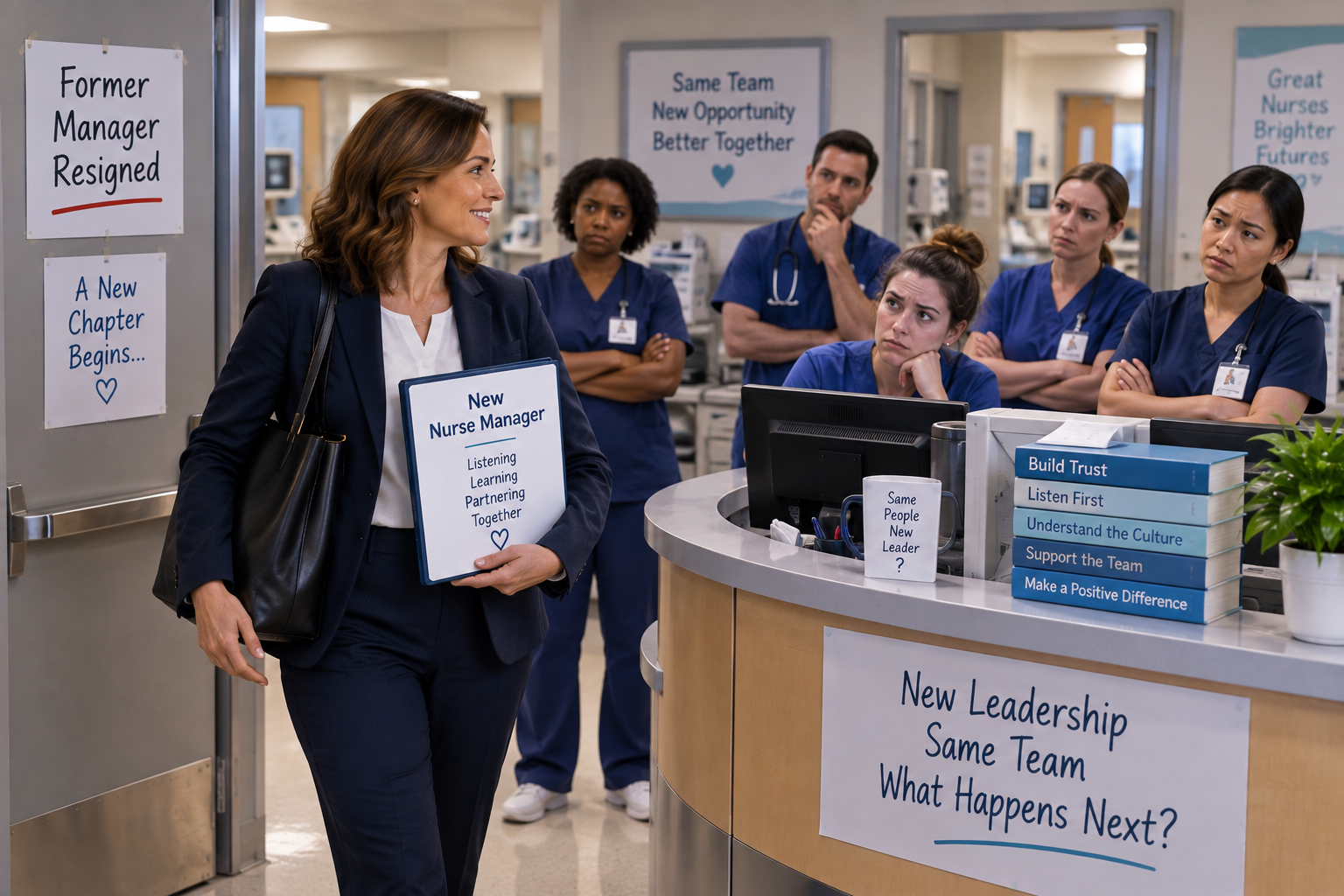
Few leadership situations are more challenging than assuming a leadership role after a unit/department/service has endured years of toxic leadership. Stepping into leadership after a toxic predecessor means inheriting a team operating in survival mode. The primary challenge is not operational efficiency; it is institutional trauma, guarded communication, and deep skepticism. Depending on how long they served in the role, the toxic leader may have had years to recruit team members who fit their culture. Consider the following story a nurse manager shared with me:
I just accepted the Nurse Manager role on 4-East, a 36-bed progressive care unit with a 38% annual turnover rate and the lowest staff satisfaction scores in the hospital. The hospital had hired a new CNO who really wanted to rebuild the culture, and she seemed to zero in on this unit. She asked the previous manager to step down and accept reassignment to another unit. The manager resigned instead and is in contact with the staff on social media. I knew it would be challenging, but it is so much more challenging than I ever thought. She was very autocratic in her approach, clearly demonstrated favoritism, and punished those who disagreed with her. The staff is like abused children. They don’t trust me, each other, or any leaders in this organization. I was shocked by how guarded they were during my first 1:1 meetings. When I ask for ideas for change, I am met with silence. I am really afraid to onboard new staff until I can shift this dynamic. I just started – what should I do next?
I recommended that the manager do a lot of observation over the next few weeks of staff verbal and non-verbal behaviors and ask herself the following questions:
-
What silent coping mechanisms has your team developed, and are you mistaking their self-preservation for disengagement or resistance?
-
When a team member brings you bad news or an operational failure, what does your immediate reaction signal about whether it is truly safe to tell the truth?
-
In what subtle ways are you asking for trust prematurely, rather than allowing your consistency over time to earn it?
-
Are there inherited “in-groups” or unspoken backchannels on your unit that need to be dismantled in favor of transparent, objective systems?
-
What is one small, lingering frustration your team has given up asking to be fixed—and what would it signal if you quietly resolved it this week?
As we talked, I pointed out to her that the toxic culture she observed had not happened overnight, and repairing it would take time and intentionality. We talked about some key steps to take right away, which included:
- Acknowledge the past but don’t vilify the previous manager – Don’t participate in gossip, but don’t pretend the past didn’t happen. She could say to her team, “I recognize trust has been damaged here. You don’t owe me your blind faith; my job is to earn it through consistent actions over time.”
- Build a foundation of psychological safety before initiating any change – Institute a “just culture” approach to errors. If a process breaks or a mistake occurs, focus exclusively on the workflow breakdown rather than personal fault. Reward the reporting of near-misses publicly. When staff speak up, thank them for their ideas and ask others to add to the discussion. The team will watch carefully to see how the new manager handles dissent.
- Dismantle the “In-Group” and share information transparently with everyone – Toxic leaders often exercise control by sharing information with a limited group of staff and demonstrating favoritism. Move scheduling, committee assignments, and project opportunities to transparent, objective criteria. Communicate critical updates via open forums or clear written memos, so no backchannel exists.
- Underpromise and overdeliver – Teams burned by erratic leadership watch body language, reaction to bad news, and whether commitments are kept. Handle the concrete frustrations first (e.g., fixing broken equipment, resolving supply stockouts). Quick, tangible operational wins prove advocacy long before grand cultural statements do.
Above all, she needs to be patient. Trust builds over time, and in this case the trust battery was badly depleted. She should also expect some resignations – those who benefited from the favoritism of the prior leader (no matter how toxic they were) may be unhappy in the new culture. I assured her that she could do this. But it won’t happen overnight. Culture change takes time, and leaders need to work at it.
© emergingrnleader.com 2026
To effectively lead through these challenges and others, nurse leaders need new tools and strategies. Let me help you as I have helped hundreds of organizations over the past five years. Please contact me at roseosherman@outlook.com to book a workshop or keynote for your team. Not seeing what you want on this list? Feel free to reach out, and I am happy to design a custom program to meet your needs.
Brand New For 2026 and Already Receiving Rave Reviews – Staying Power: Building a Culture of Retention in the New World of Work
Brand New for 2026 and Already Popular – The Inverted Pyramid: Leading Teams of Novice Nurses The Inverted Pyramid WS Information Sheet
Our Most Popular Right Now –The New World of Work Workshop
A Leader Favorite – Building Bridges Not Walls: Leading Multigenerational Work Teams – Click Here for More Information Building Bridges Not Walls
A Must-Read Book in 2026 – Click Here to Buy



 LinkedIn
 Instagram